
08.04.25
Popeye Disease in Fish
Popeye Disease in Fish: Causes, Treatment, and Prevention
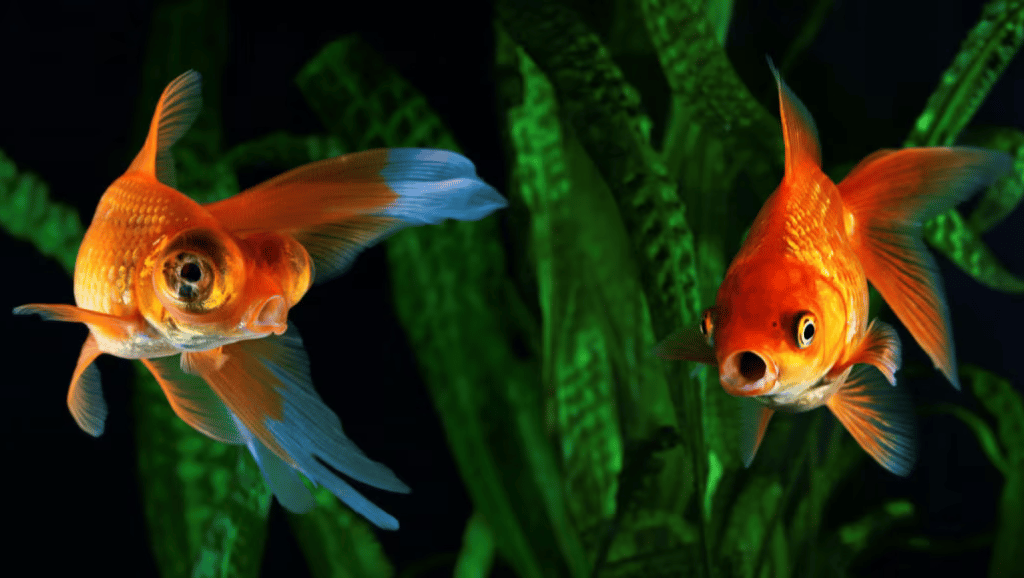
Popeye disease is a condition where one or both of a fish’s eyes become swollen, protruding noticeably from the socket. In some cases, the eye may also appear cloudy, discolored, or even bloodstained. If left untreated, popeye can lead to permanent vision loss or, in severe situations, the complete loss of the eye.
There are several possible causes of popeye in fish, ranging from bacterial infections and physical trauma to poor water quality. While the underlying cause determines the exact treatment approach, the good news is that popeye is usually treatable with proper care and timely intervention.
What Is Popeye Disease in Fish?
Popeye disease, also known by its medical term exophthalmia, is a condition in which one or both eyes of a fish swell and bulge outward from the socket. The affected eye may also appear cloudy, hazy, or discolored, and in some cases, the swelling can be quite severe.
It's important to distinguish popeye disease from naturally protruding eyes in some fish species. Breeds like black moor goldfish and telescope-eye goldfish are genetically predisposed to have enlarged, bulging eyes—this is normal anatomy, not a disease. In contrast, popeye is an abnormal, often painful condition that typically results from injury, infection, or poor water quality.
Popeye can affect one eye (unilateral) or both eyes (bilateral). A single swollen eye often suggests trauma or injury, while swelling in both eyes is more commonly linked to systemic issues like bacterial infection or chronic poor water conditions.
Symptoms of Popeye Disease in Fish
The most obvious and defining sign of popeye disease is the abnormal swelling or protrusion of one or both eyes. In some cases, the bulging may be subtle at first, especially in the early stages, while in others, the eye and surrounding socket may appear dramatically enlarged. The degree of swelling often depends on the underlying cause and how long the condition has gone untreated.
Common Signs of Popeye in Aquarium Fish:
-
Protrusion of one or both eyes (unilateral or bilateral)
-
Swelling or stretching of the eye socket
-
Cloudy, hazy, or discolored eyes
-
Visible blood or bruising in the eyeball
-
Ruptured eye (in advanced cases)
-
Clamped fins (fins held tightly against the body)
-
Swollen or bloated body
-
Decreased activity or lethargy
-
Hiding or avoiding other fish
-
Loss of appetite
There are no formal diagnostic tests for popeye in fish; diagnosis is typically made by visual observation. If your fish does not belong to a species known for naturally protruding eyes (like black moors or telescope goldfish), and you notice abnormal bulging, it's a strong indicator of popeye.
The condition begins when fluid builds up behind the eyeball, creating pressure that pushes the eye outward. As the condition progresses, swelling may worsen, and the cornea can rupture. If this happens, the eye may appear cloudy, red, or visibly damaged. In severe cases, the eye may rupture completely, resulting in permanent vision loss on that side. While fish can survive this, the eye will not regenerate.
In addition to physical symptoms, a fish with popeye may also show systemic signs of stress or illness, such as:
-
Staying at the bottom of the tank
-
Avoiding light or hiding more than usual
-
Not chasing food or refusing to eat
These behaviors often indicate that the problem is more than just local trauma and could be linked to a systemic infection or water quality issue.
Causes and Treatment of Popeye Disease
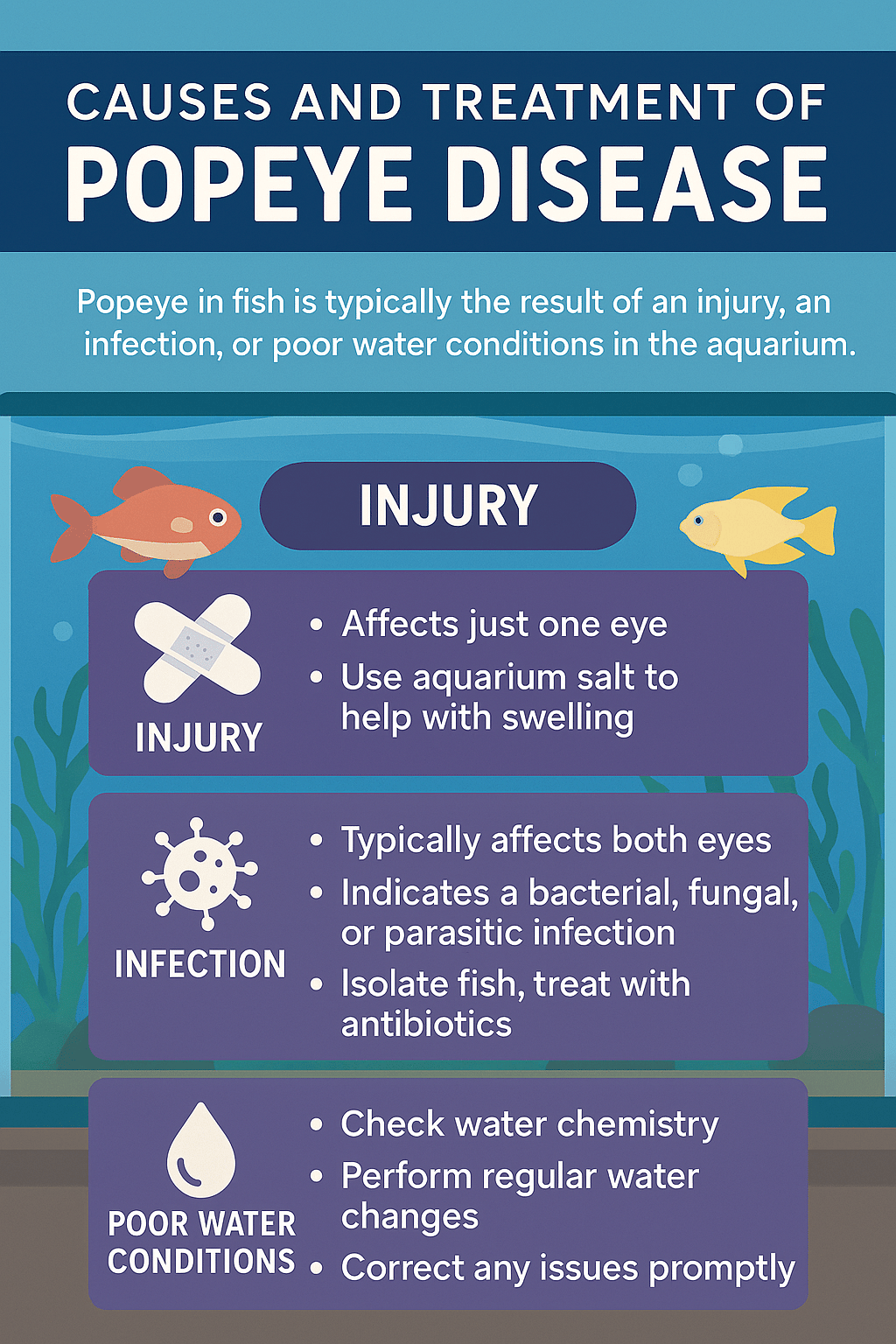
Popeye disease in fish can be caused by several underlying issues, and in some cases, the exact reason may never be identified. However, the most common causes fall into three categories: injury, infection, and poor water conditions. Each of these has its own treatment approach, and the success of recovery often depends on how quickly the issue is addressed.
Injury (Unilateral Popeye)
If only one eye is affected, the popeye is most likely caused by a physical injury rather than poor water chemistry. This is especially likely if only one fish in a community tank is showing symptoms.
Injuries can occur from:
-
Fights or nips from aggressive tank mates
-
Scraping against sharp or rough decorations
-
Getting caught in filter inlets or equipment
If the eye is swollen but not infected, it may heal on its own over time. Here’s how to help:
-
Add aquarium salt (if species-appropriate) to reduce swelling and promote healing
-
Remove sharp or abrasive decor to prevent further injury
-
Monitor the fish closely for signs of secondary infection, such as cloudiness, blood, or worsening swelling
Most injuries heal with supportive care, but untreated infections can cause vision loss in the affected eye.
Infection (Often Bilateral Popeye)
If both eyes are affected, the likely cause is a systemic infection—bacterial, parasitic, or fungal. Infections may also accompany internal health issues such as dropsy, kidney failure, or metabolic imbalance. In these cases, the prognosis can be poor if left untreated.
Steps to treat infected popeye:
-
Move the fish to a quarantine tank to reduce risk of spreading the infection
-
Begin broad-spectrum antibiotic treatment : Antibiotics used to treat fin rot are also useful in preventing damage to the cornea from progressing into full-blown popeye. consult an aquatic veterinarian or use trusted products such as:
✅ Fish Amoxicillin
✅ Fish Doxycycline
✅ Fish Ciprofloxacin
✅ Fish Clindamycin
These antibiotics for fish target common bacteria that cause popeye and other systemic infections -
Maintain excellent water quality and offer nutrient-rich food to support immune function
-
If multiple fish are affected, treat the main tank with antibiotics, following dosage instructions carefully
Poor Water Conditions
Poor water quality is a major underlying factor in many aquarium diseases, including popeye. Fish that are already stressed or immunocompromised are especially susceptible.
Check for:
-
Elevated ammonia, nitrites, or nitrates
-
Drifting pH levels or low oxygen
-
Gas supersaturation, seen as tiny bubbles on tank surfaces or in the fish’s skin or eyes (can lead to popeye)
To correct water-related causes:
-
Test water parameters regularly using a reliable aquarium test kit
-
Perform regular partial water changes
-
Correct any imbalances (e.g., ammonia spikes, low pH) promptly
-
Ensure adequate aeration and filtration
-
Remove excessive waste and avoid overfeeding
By identifying and addressing the root cause—whether it’s injury, infection, or poor water—many fish can recover from popeye. In the next section, we can focus specifically on how to treat popeye, including step-by-step care and when to seek help.
Prognosis for Fish With Popeye Disease
The outlook for a fish with popeye disease is generally positive, especially if the condition is caught early and the underlying cause is addressed promptly. If the popeye was the result of a minor injury, most fish will make a full recovery with supportive care and proper tank conditions.
However, if the cause is bacterial infection or poor water quality, the prognosis depends on how quickly treatment is initiated. Delayed care can lead to:
-
Permanent vision loss in the affected eye
-
Rupture of the eyeball
-
Systemic infection that may spread and become life-threatening
That said, many fish can still live healthy lives even if they lose an eye—provided the root issue is resolved and they are kept in a stress-free, clean environment.
Early detection, clean water, proper nutrition, and the right treatment are key to giving your fish the best chance of recovery.
How to Prevent Popeye Disease
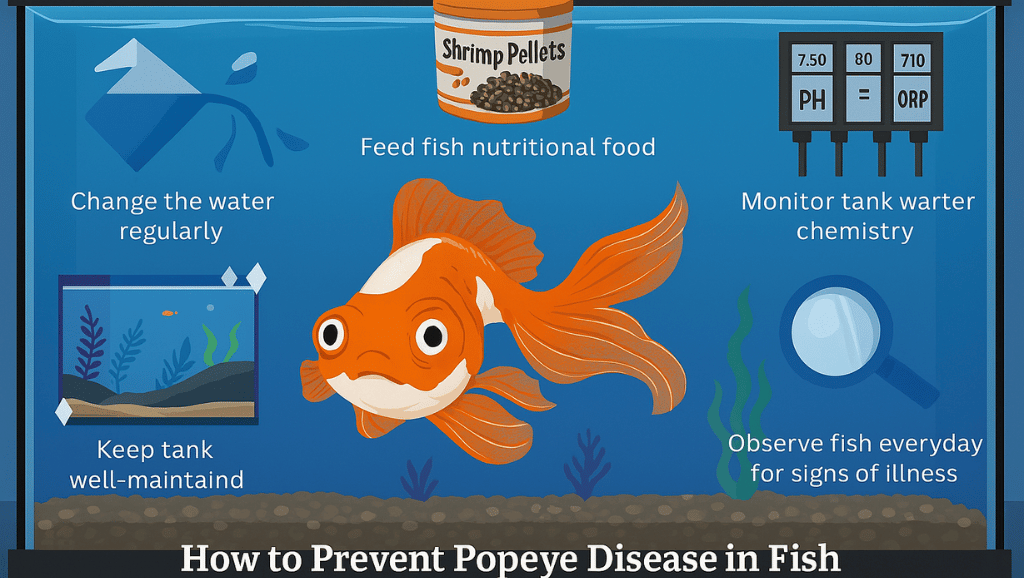
Since popeye disease can be caused by multiple factors—including injuries, infections, and poor water quality—there’s no single guaranteed method of prevention. However, maintaining a clean and stable aquarium environment is your best defense.
Key Prevention Tips:
-
Perform regular partial water changes to keep water parameters stable
-
Test your water weekly for ammonia, nitrites, nitrates, pH, and temperature
-
Feed your fish high-quality, species-appropriate food to support their immune systems
-
Avoid overcrowding and choose compatible tank mates to prevent aggression and injury
-
Remove or smooth out sharp or abrasive decorations that could damage your fish’s eyes
-
Observe your fish daily for early signs of stress, injury, or illness
When basic care and maintenance are followed consistently, popeye is unlikely to occur. And if it does, it's far more likely to be mild and treatable.
In short, prevention comes down to clean water, good nutrition, and attentive care—the foundation for a healthy aquarium.
Related articles : Aquarium Fish Disease Guide: Symptoms & Treatments