

Posted by Aquatic Veterinary Specialist on 18.03.25
How to Treat Disease in Fish: A Scientific and Practical Guide
How to Treat Disease in Fish: A Scientific and Practical Guide
Introduction
Fish diseases are a major concern for aquarium hobbyists, fishkeepers, and commercial fish farmers. A wide range of pathogens, including bacteria, viruses, fungi, and parasites, can infect fish, leading to significant health problems, reduced growth rates, and even death.
Effective disease management requires a scientific approach, including accurate diagnosis, targeted treatments, and preventative care. This guide will provide a comprehensive look at fish diseases, their causes, symptoms, treatment options, and best practices for keeping fish healthy.
Understanding Fish Diseases: Causes and Risk Factors
Fish diseases are typically caused by three primary factors:
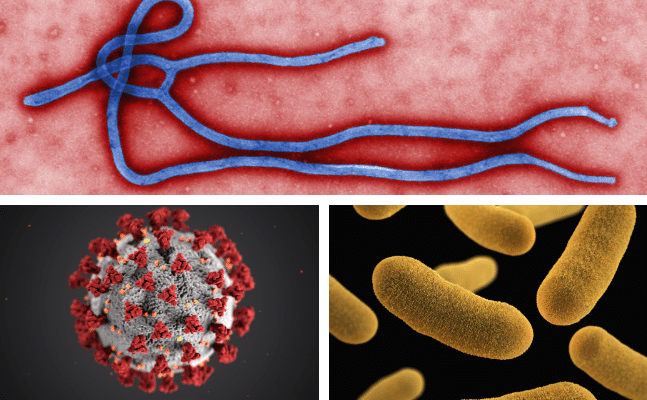
1. Pathogens (Bacteria, Viruses, Fungi, and Parasites)
- Bacteria (Aeromonas, Pseudomonas, Flavobacterium) → Cause fin rot, ulcers, and gill disease
- Viruses (Lymphocystis virus) → Cause skin lesions and tumors
- Fungi (Saprolegnia) → Cause cotton-like fungal infections
- Parasites (Ichthyophthirius, Hexamita) → Cause white spots and internal infections
2. Environmental Stressors
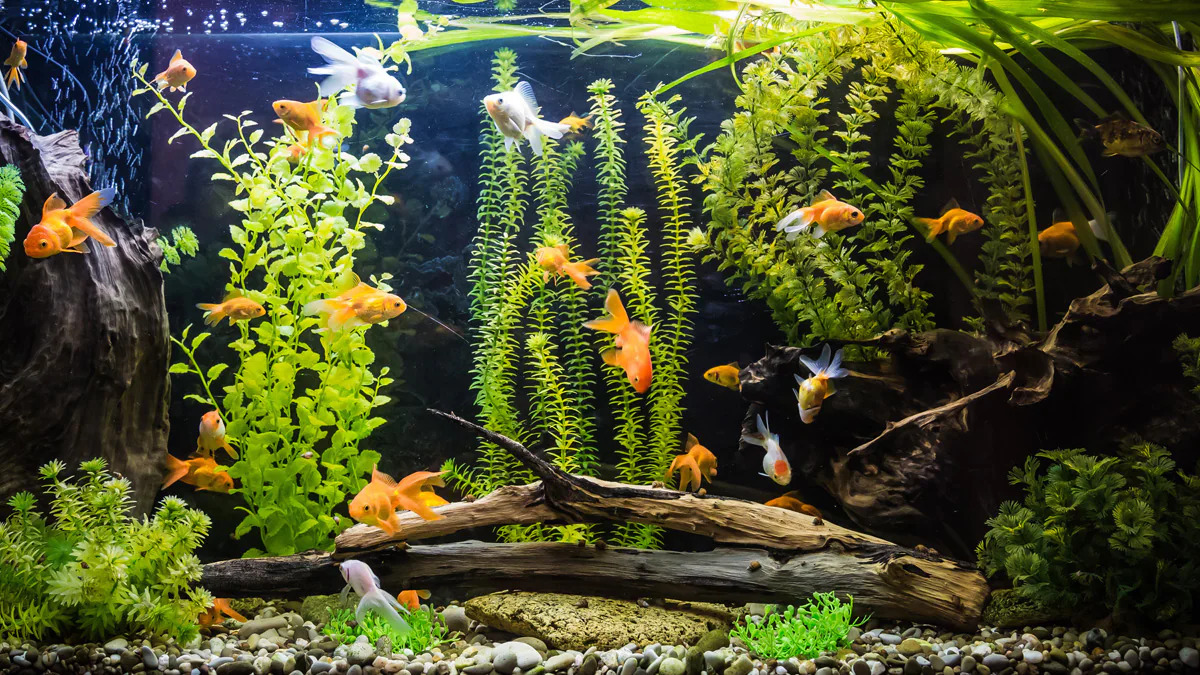
- Poor water quality (high ammonia, nitrite, and nitrate levels)
- Fluctuating temperatures and low oxygen levels
- Overcrowding and aggressive tankmates
3. Nutritional Deficiencies and Poor Immune System
- Vitamin deficiencies (low vitamin C causes weakened immunity)
- Improper diet (low protein leads to poor growth and stress)
The key to preventing fish diseases is to maintain optimal water conditions, provide a balanced diet, and quickly identify symptoms before infections spread.
How to Diagnose Fish Diseases
Step 1: Observe Physical Symptoms
✅ White spots → Possible Ich (parasite)
✅ Bloated body & raised scales → Dropsy (bacterial infection)
✅ Frayed fins → Fin rot (bacterial)
✅ Swollen eyes → Popeye (bacterial or viral infection)
✅ Cotton-like patches → Fungal infection
Step 2: Observe Behavioral Changes
✅ Erratic swimming or loss of balance → Swim bladder disease
✅ Lethargy and refusal to eat → Internal bacterial or parasitic infection
✅ Rubbing against objects → Parasitic infestation (Ich or flukes)
Step 3: Conduct a Water Quality Test
- Ammonia levels should be 0 ppm
- Nitrites should be 0 ppm
- Nitrates should be below 40 ppm
- pH levels should match species requirements
Once you have identified symptoms, move to treatment immediately to prevent further deterioration.
How to Treat Common Fish Diseases
Below are the most common fish diseases, their symptoms, causes, and the best treatment options.
1. Fin Rot (Bacterial Infection)
✔ Cause: Aeromonas, Pseudomonas, or Vibrio bacteria
✔ Symptoms: Frayed, ragged fins, discoloration, inflammation
✔ Best Treatment:
Fish Amoxicillin 500mg – Targets bacterial fin rot and ulcers.
✔ Prevention: Maintain clean water, avoid aggressive tankmates.
2. Columnaris (Cotton Mouth Disease)
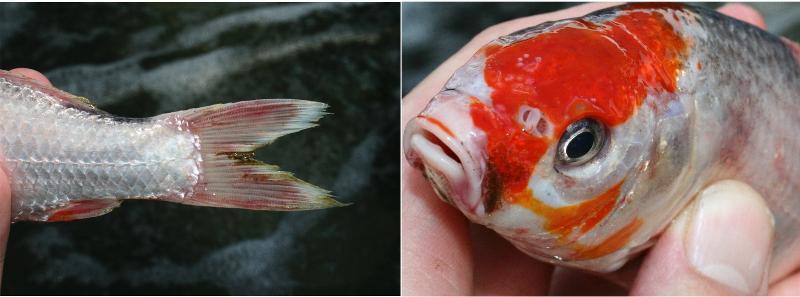
✔ Cause: Flavobacterium columnare bacteria
✔ Symptoms: White, cotton-like patches, open ulcers, difficulty breathing
✔ Best Treatment:
Fish Sulfamethoxazole – A broad-spectrum antibiotic for bacterial infections.
✔ Prevention: Improve water circulation, maintain oxygen levels.
3. Dropsy (Internal Bacterial Infection)
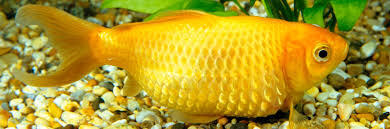
✔ Cause: Aeromonas bacteria, kidney failure
✔ Symptoms: Severe bloating, scales sticking out (pinecone appearance)
✔ Best Treatment:
Fish Doxycycline – Treats bacterial dropsy.
✔ Prevention: Feed a high-quality diet, maintain low-stress environments.
4. Popeye Disease (Exophthalmia)
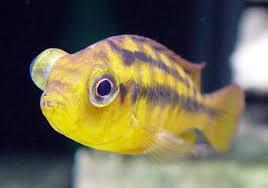
✔ Cause: Bacterial infection, trauma
✔ Symptoms: Swollen, protruding eyes, cloudy vision
✔ Best Treatment:
Fish Ciprofloxacin – Effective for Popeye disease.
✔ Prevention: Keep water clean, avoid injuries from aggressive tankmates.
How Do Fish Antibiotics Work?
| Antibiotic | Best For | Link |
|---|---|---|
| Fish Amoxicillin 500mg | Fin Rot, Ulcers | Buy Here |
| Fish Doxycycline 100mg | Dropsy, Columnaris | Buy Here |
| Fish Ciprofloxacin 500mg | Popeye, Skin Infections | Buy Here |
| Fish Cephalexin 500mg | Swim Bladder, Skin Lesions | Buy Here |
Preventing Fish Diseases
✔ Maintain Clean Water – Perform weekly 25% water changes.
✔ Avoid Overstocking – Too many fish increase stress and infections.
✔ Feed a Nutritious Diet – High-quality food boosts immunity.
✔ Quarantine New Fish – Prevent disease spread from new fish.
✔ Use Antibiotics Responsibly – Follow proper dosage instructions.
Final Thoughts
Fish diseases are preventable and treatable with proper diagnosis, care, and antibiotics. Acting early can save your fish from severe infections and costly losses.
Need the best fish antibiotics? Shop Now for high-quality treatments!